
€39.99 incl. VAT
Three acids in a cushioning cream base rather than a watery gel. Azelaic acid works on uneven tone and post-blemish marks, glycolic on surface smoothness, salicylic on congested pores. Used two or three evenings a week, it resurfaces without leaving skin tight.
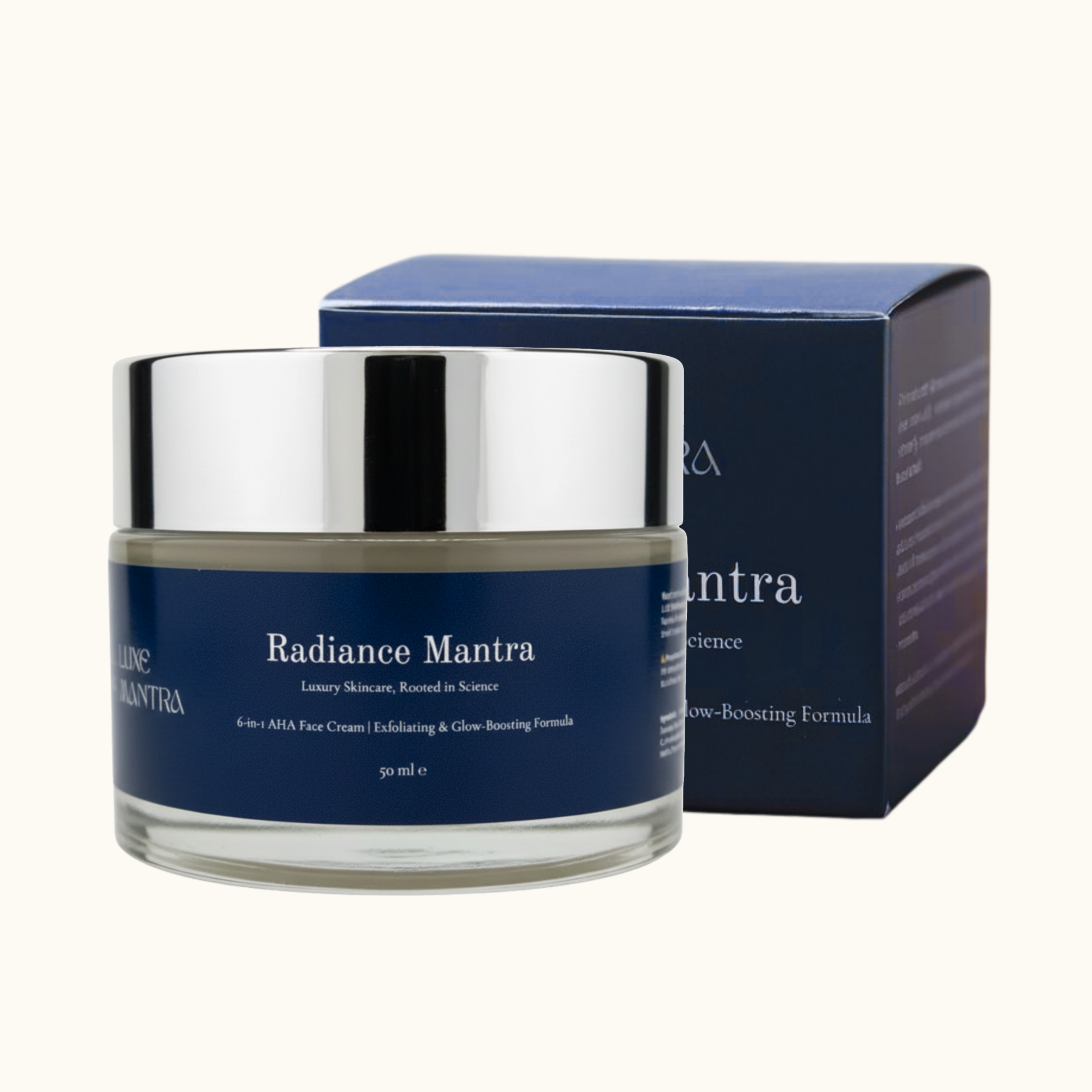
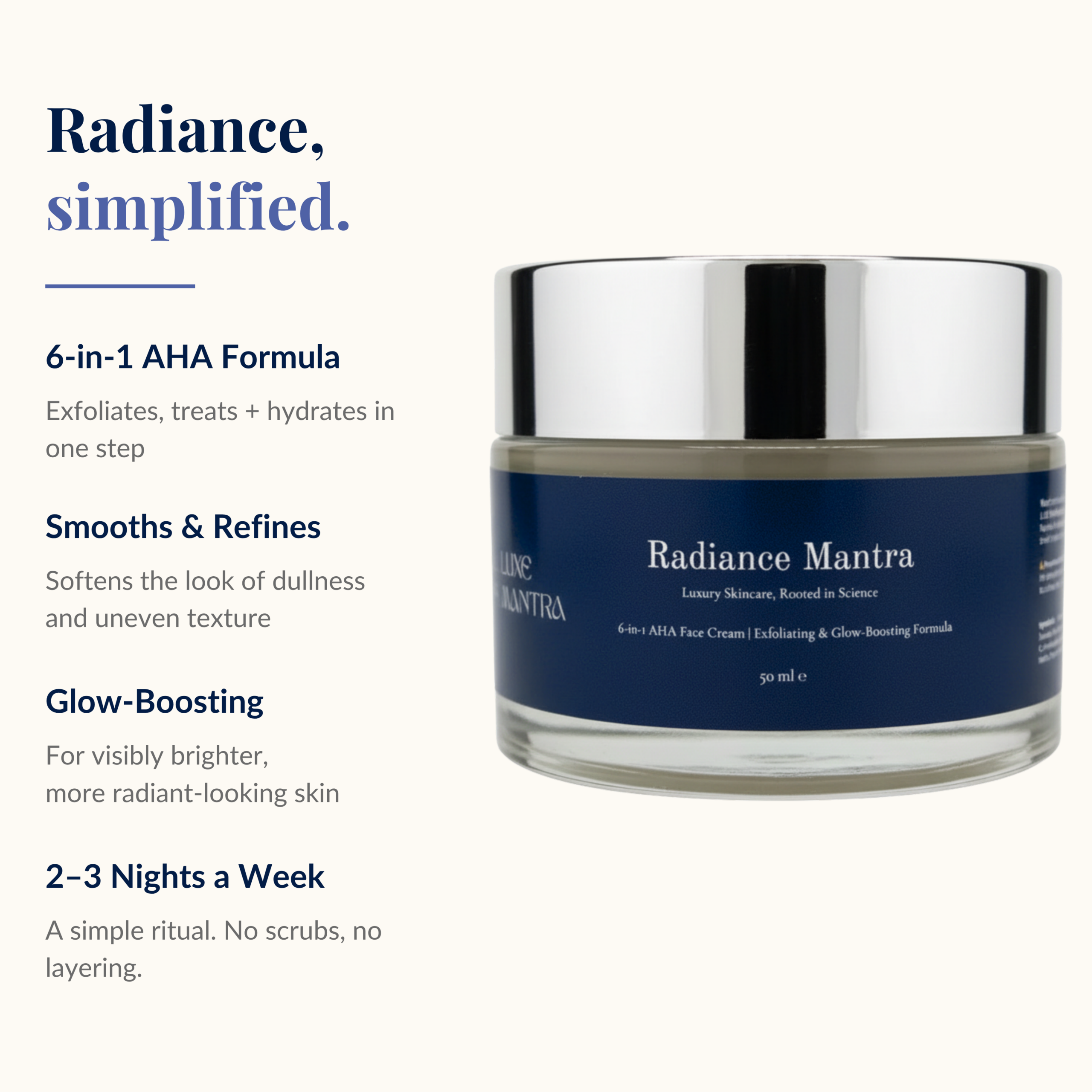
Radiance Mantra 6-in-1 AHA Face Cream
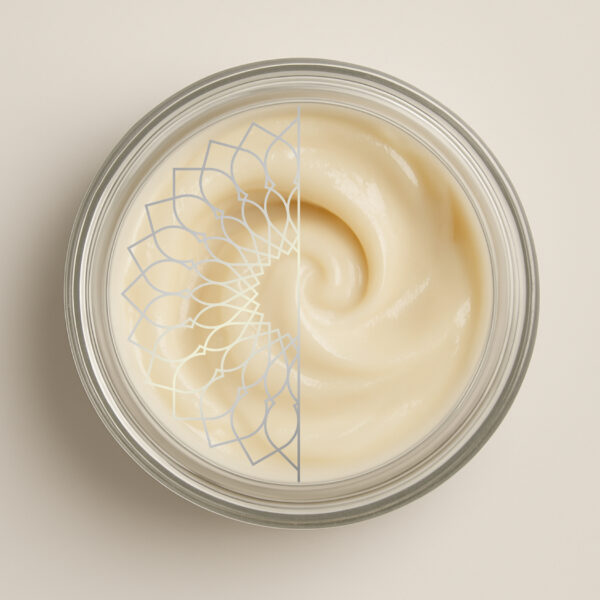
A resurfacing treatment built on three acids — azelaic, glycolic and salicylic — each working on a different aspect of dull, uneven or congested skin. What makes it unusual is the base: an emollient cream rather than the thin gel most acid products come in, so exfoliation happens without the tightness that usually follows.
What the six are
The name refers to six things the cream works on in a single step:
Why it’s a treatment, not a daily cream
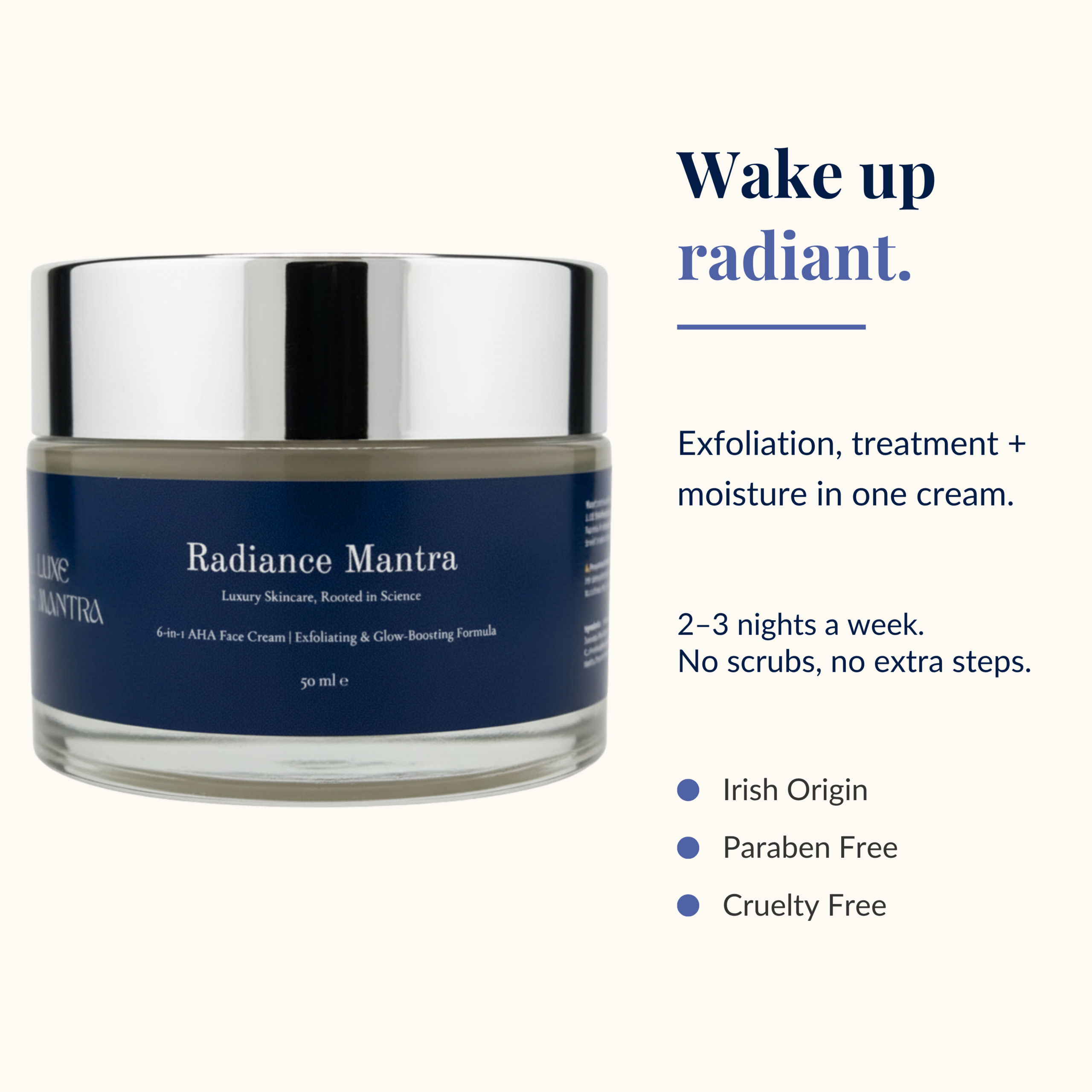
Radiance Mantra is used two or three evenings a week, not every night. Exfoliating acids work by loosening surface build-up, and skin needs the nights in between to settle. Using it more often doesn’t speed anything up — it tends to bring on dryness and sensitivity instead.
Skin concerns targeted
What it does
Why it works
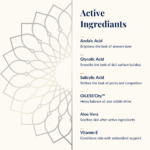
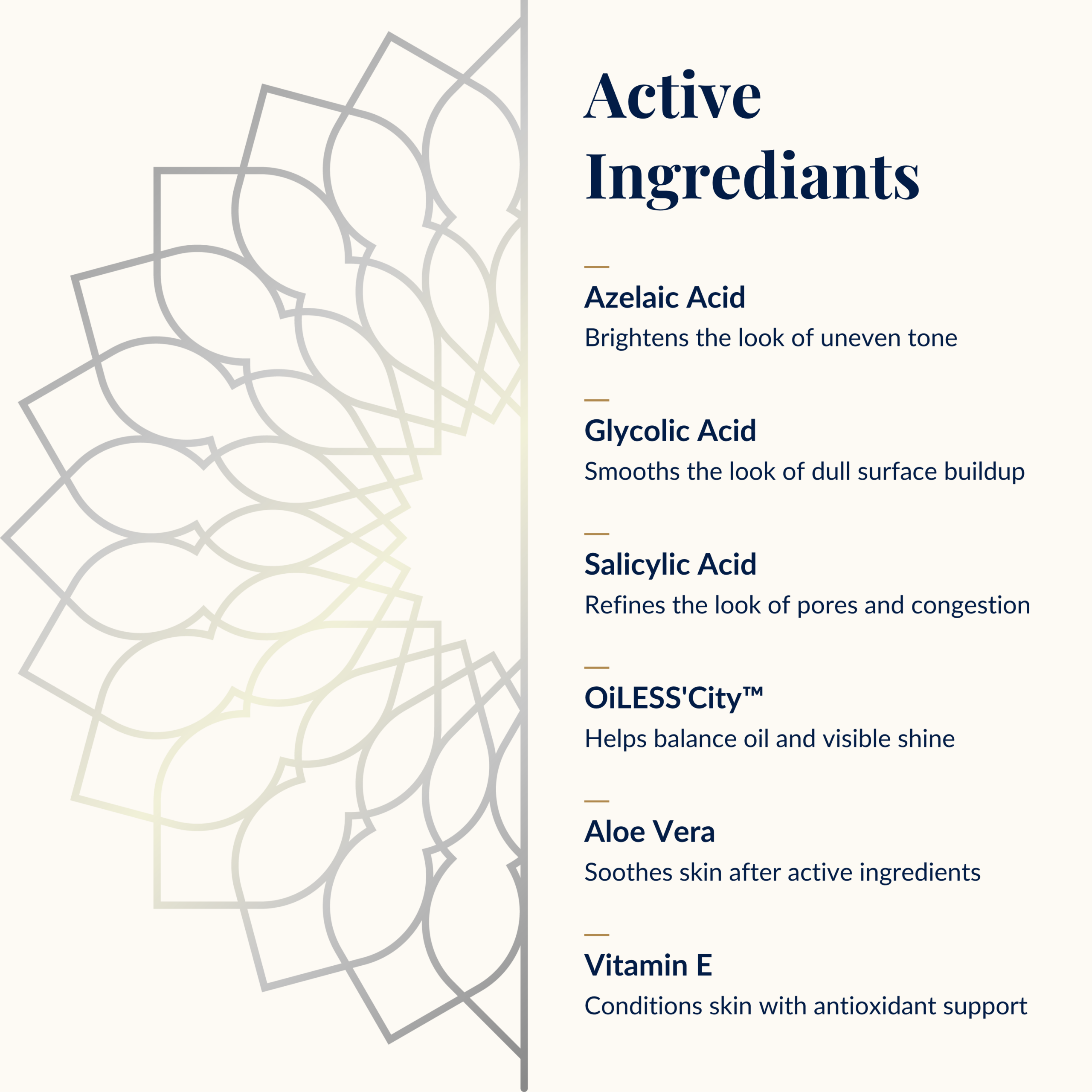
Three acids, three jobs. Azelaic acid is the highest-inclusion acid in the formula, sitting third in the ingredient list — it works on uneven-looking tone and the appearance of post-blemish marks, and it’s the gentlest of the three. Glycolic acid works at the skin’s surface, loosening dead-cell build-up so skin looks smoother and brighter. Salicylic acid is oil-soluble, which is what lets it reach into congested pores rather than only working on the surface.
The acids are pH-adjusted rather than left raw, which is what makes a three-acid formula tolerable on a normal skin routine rather than something to brace for.
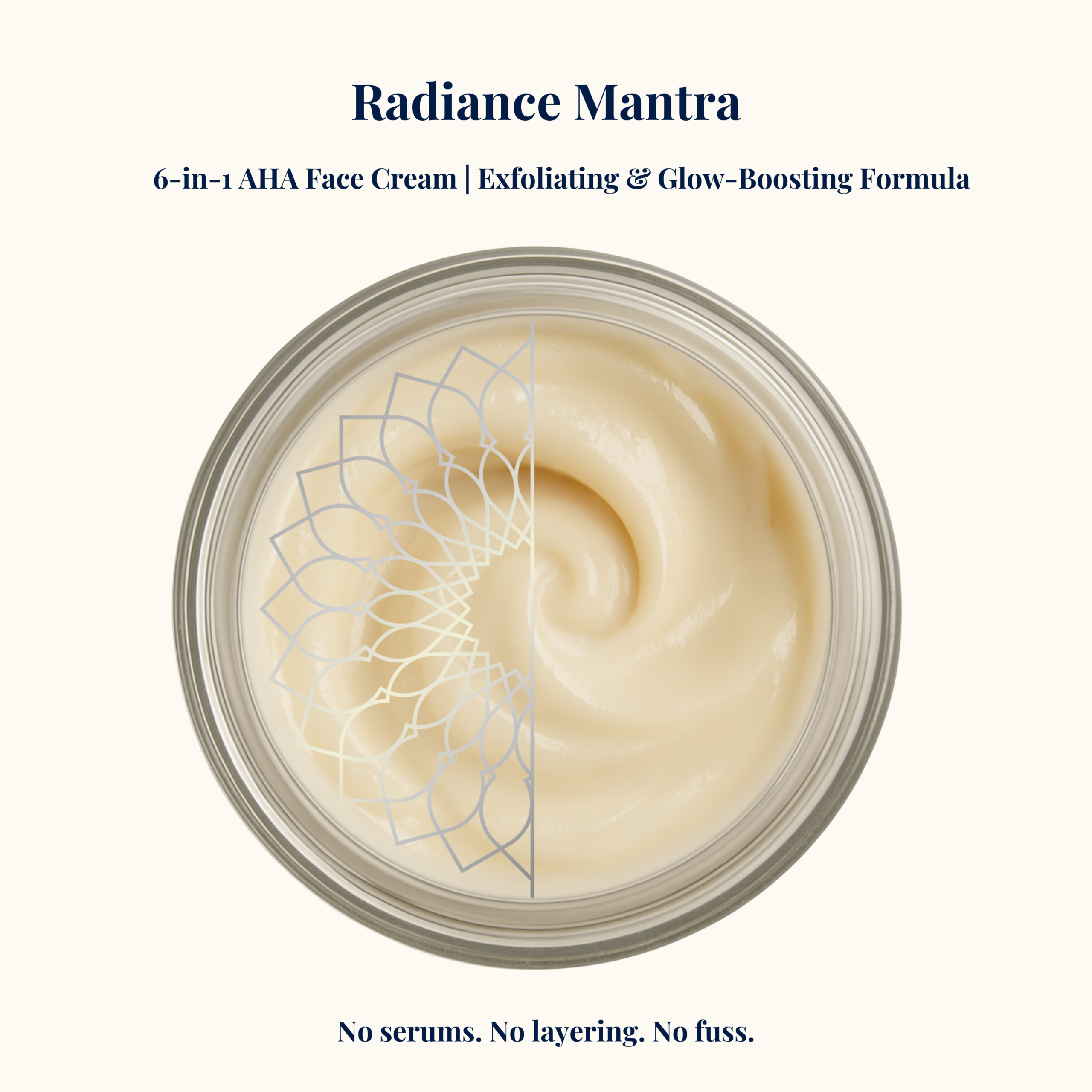
Then the base, which is the part most acid products skimp on. Dicaprylyl ether sits second in the ingredient list, ahead of the acids themselves, with propanediol, glycerin and coco-caprylate/caprate close behind. That’s an emollient, water-binding base doing the cushioning — the reason this reads as a cream you could apply and go to bed in, rather than a treatment you need to buffer with something else afterwards.
Benefits
Three acids, three different jobs
Azelaic for tone and post-blemish marks, glycolic for surface smoothness, salicylic for congestion. One step covering what would otherwise take separate products.
Azelaic acid at a meaningful level
Third in the ingredient list, ahead of both other acids. Azelaic is the one most associated with evening out tone and the look of marks left after blemishes, and it’s the gentlest of the three.
A cream, not a stripping gel
The emollient base sits above the acids in the ingredient list. That’s what allows exfoliation without the tight, stripped feeling that puts people off acid treatments.
Comfort built into the formula
Glycerin, propanediol and aloe hold water in the skin while the acids work, which is why this doesn’t need buffering with a second product.
Fits a minimal routine
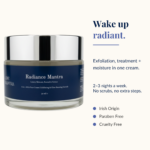
Two or three evenings a week, in place of your usual moisturiser step rather than in addition to it.
Visible over weeks, not overnight
Surface build-up comes away gradually. Used consistently at two or three evenings a week, skin looks smoother and brighter over time — this isn’t a formula that promises a result by morning.
Who it’s for
Radiance Mantra suits skin that looks dull, rough or congested and would benefit from occasional resurfacing, in a form that doesn’t demand a complicated routine around it.
Especially suited to:
Who should be cautious
This is the one product in the range that isn’t for everyone. It contains active exfoliating acids and fragrance, so very sensitive, reactive or fragrance-sensitive skin should patch test, start at once a week, and reduce or stop if skin feels irritated. Avoid using it on broken or irritated skin. If you’re already using another exfoliating acid, a scrub or a retinoid, don’t add this on top — alternate, or choose one.
Daily broad-spectrum SPF is not optional while you’re using it. Exfoliating acids leave skin more sensitive to the sun, and it is recommended to limit prolonged direct sun exposure after use.
How to use
Application steps
Evening routine example
Cleanser → Radiance Mantra → Moisturiser, if needed
How often
Start at two evenings a week. Move to three only if your skin has stayed comfortable for a few weeks. Don’t use it daily — with a three-acid formula, more frequent use brings dryness and sensitivity rather than faster results.
If acids are new to you
Begin at once a week for the first fortnight, then build. Patch test on a small area before your first full application. If skin stings beyond the first minute, flushes, or feels tight the next day, drop back a step in frequency.
What to pair it with
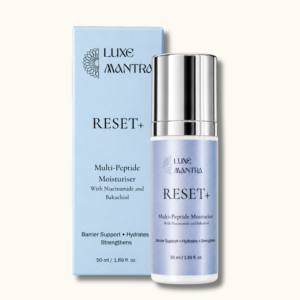
Reset+ works well on the nights you use Radiance Mantra — apply the acid first, let it absorb, then follow with Reset+ for hydration and comfort. Sun Protect+ the following morning covers the SPF requirement.
Ingredients
The three acids
The cushioning base
Hydrating and soothing ingredients
Antioxidant support
Fragrance
Full INCI list
Aqua, Dicaprylyl Ether, Azelaic Acid, Propanediol, Glycerin, Coco-Caprylate/Caprate, Glycolic Acid, Sodium Hydroxide, Cetearyl Alcohol, Glyceryl Stearate, PEG-100 Stearate, Sodium Polyacryloyldimethyl Taurate, Salicylic Acid, Silica, Polyacrylate Crosspolymer-11, Phenoxyethanol, Ceteareth-20, 1,2-Hexanediol, Dimethicone, Tocopheryl Acetate, Aloe Barbadensis Leaf Juice, Potassium Sorbate, Sodium Benzoate, Ascorbic Acid, Citric Acid, Alcohol Denat., Parfum, Disodium EDTA, Hexyl Cinnamal, Linalool, Terpineol, Backhousia Citriodora Leaf Extract, Linalyl Acetate, Benzyl Salicylate, Citronellol.
FAQ
What does the “6-in-1” refer to?
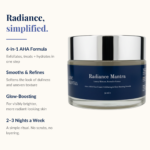
Six things the cream works on in one step: exfoliating surface build-up, smoothing rough texture, clearing the look of congested pores, evening uneven tone and post-blemish marks, brightening dullness, and hydrating while it does the rest.
How often should I use it?
Two evenings a week to begin with, rising to three only if your skin stays comfortable. It’s an active exfoliating formula, so daily use is too much for most skin types.
Why three acids rather than one?
Because they do different things. Azelaic works on tone and post-blemish marks, glycolic on surface smoothness, salicylic on congestion. A single-acid product handles one of those well; this handles all three in one step.
Will it dry my skin out?
It’s formulated to reduce that risk — the emollient and humectant base sits above the acids in the ingredient list, so the cream cushions as it exfoliates. That said, any exfoliating acid can be drying if used too often. Stick to two or three evenings a week.
Is it fragranced?
Yes, lightly. Radiance Mantra is the only fragranced product in the range — Sun Protect+ and Reset+ are both fragrance-free. If you’re fragrance-sensitive, patch test before your first full application.
Can I use it in the morning?
We’d recommend the evening. It’s a treatment step rather than a base for the day, and using it at night means your skin isn’t going straight out into UV afterwards. Apply broad-spectrum SPF the following morning either way.
Do I need sunscreen while using it?
Yes, every morning without exception. Exfoliating acids leave skin more sensitive to sun, so daily broad-spectrum SPF matters more than usual while you’re using this. Limiting prolonged direct sun exposure for a week after use is also recommended.
Can I use it with other acids or a retinoid?
Not in the same routine. Layering strong exfoliants raises the risk of irritation without improving results. If you already use another acid or a retinoid, alternate evenings rather than combining, and build up slowly.
Is it suitable for sensitive skin?
Be cautious. It contains active acids and fragrance, so very sensitive or reactive skin should patch test, start at once weekly, and stop if skin feels irritated. It isn’t the right product for everyone, and that’s worth knowing before you buy.
What should I use alongside it?
A moisturiser on the nights you use it — Reset+ is designed for this — and a daily SPF every morning. Radiance Mantra is a treatment, not a routine on its own.
How long before I see a difference?
Surface build-up comes away gradually rather than overnight. Used consistently at two or three evenings a week, most people are looking at weeks rather than days.

Be the first to discover launches, formulas, and refined skincare guidance.


Reviews
There are no reviews yet.